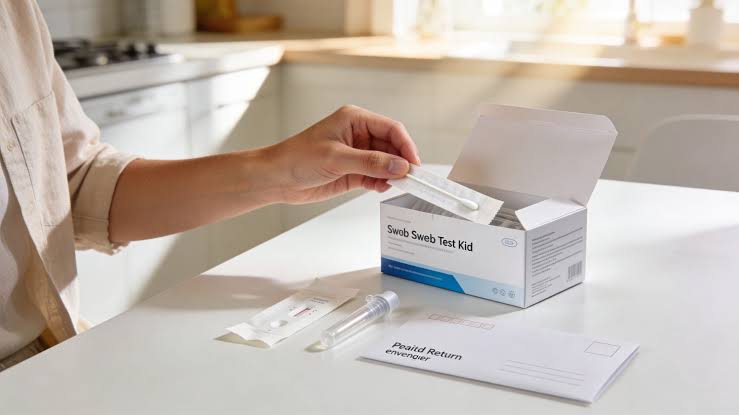

At-home swab testing kits have become genuinely accessible consumer products, covering everything from ancestry and genetic testing to various health screening applications, and a service like swab for max com fits within this broader category, offering consumers a way to collect their own sample at home and send it for laboratory analysis without needing an in-person clinical visit for the collection step itself.
Understanding the basic mechanics of how at-home swab testing works helps set appropriate expectations for what these kits can genuinely deliver. A typical kit includes a swab for collecting a cheek cell sample, clear instructions for proper collection technique, and a prepaid return package for sending the sample to a laboratory, where it undergoes the actual analysis relevant to whatever specific test the kit is designed for.
Collection technique matters considerably for result accuracy, since an improperly collected sample — one with insufficient cellular material or contamination from eating or drinking shortly before collection — can produce inconclusive or inaccurate results. Following the specific collection instructions precisely, including any waiting periods after eating or drinking before swabbing, genuinely affects the reliability of whatever results eventually come back from laboratory analysis.
Turnaround time varies considerably between different testing services and specific test types, and understanding a specific service’s typical processing timeline before ordering helps set realistic expectations, particularly for any testing need with a genuine time sensitivity attached to when results are actually needed for a specific purpose.
Privacy and data handling deserve serious attention for any at-home testing service specifically, given the genuinely sensitive nature of biological sample data. Reviewing a service’s specific privacy policy, including how sample data is stored, whether it might be shared with or sold to third parties, and how long data is retained after testing, matters considerably more for this category of product than for most other consumer purchases.
Understanding the specific limitations of any particular test type matters enormously for interpreting results appropriately. Different swab-based tests have genuinely different accuracy profiles and appropriate uses, and consumers should have a clear, realistic understanding of what a specific test can and cannot reliably tell them before ordering, rather than assuming all testing categories offer the same level of certainty or clinical significance.
Regulatory oversight varies for different categories of at-home testing, with some test types subject to more rigorous regulatory review and validation requirements than others. Checking whether a specific test and testing company has relevant regulatory approval or certification for its specific claimed use provides meaningful additional confidence in the service’s legitimacy and the genuine reliability of its results.
For any at-home testing results with genuine health implications specifically, following up with a qualified healthcare provider to discuss and properly interpret results remains important, since at-home test results, however accurate the underlying laboratory analysis, benefit considerably from professional context and interpretation that a standalone result report alone typically cannot fully provide.
For consumers considering any at-home swab testing kit, checking the service’s privacy practices, understanding the specific test’s genuine accuracy and appropriate use limitations, and following collection instructions carefully all contribute to getting genuinely reliable, meaningful results from this increasingly accessible category of consumer testing product.
This article provides general information about at-home testing kits and is not medical advice. For any results with potential health implications, consult a qualified healthcare provider to properly interpret findings within the context of your individual medical history.